Emergency Relief
Emergency Relief
Humanitarian Response is one of the significant thematic areas of Muslim Aid.
Since its inception, Muslim Aid has consistently responded to major natural and man-made disasters in the country.
Simultaneously, they work towards disaster risk reduction (DRR), focusing on both capacity building and preparedness.
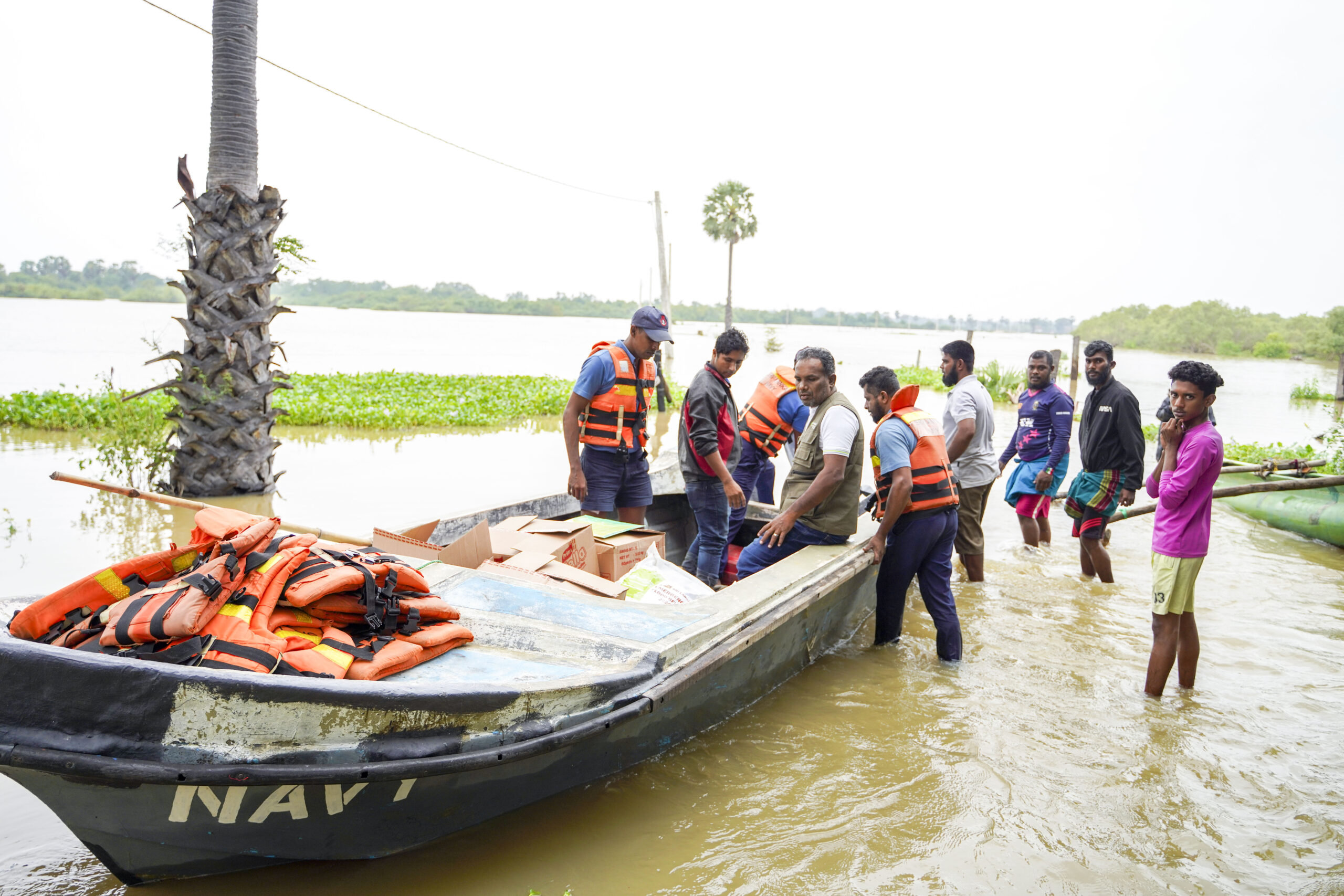
Their workforce is trained to provide immediate on-the-ground relief during and after an emergency, and to tackle the recovery, rehabilitation of families, and rebuilding of infrastructure.
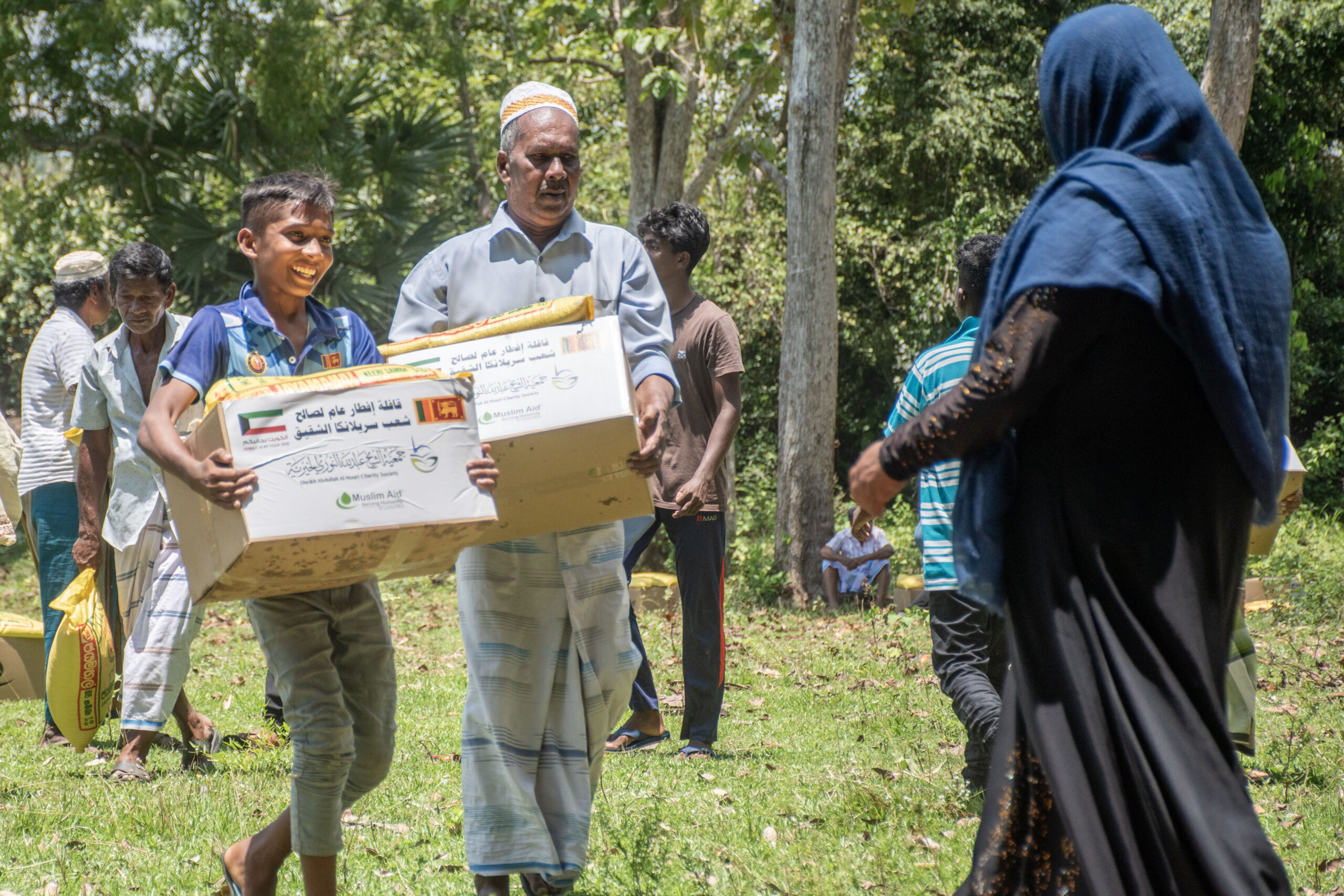
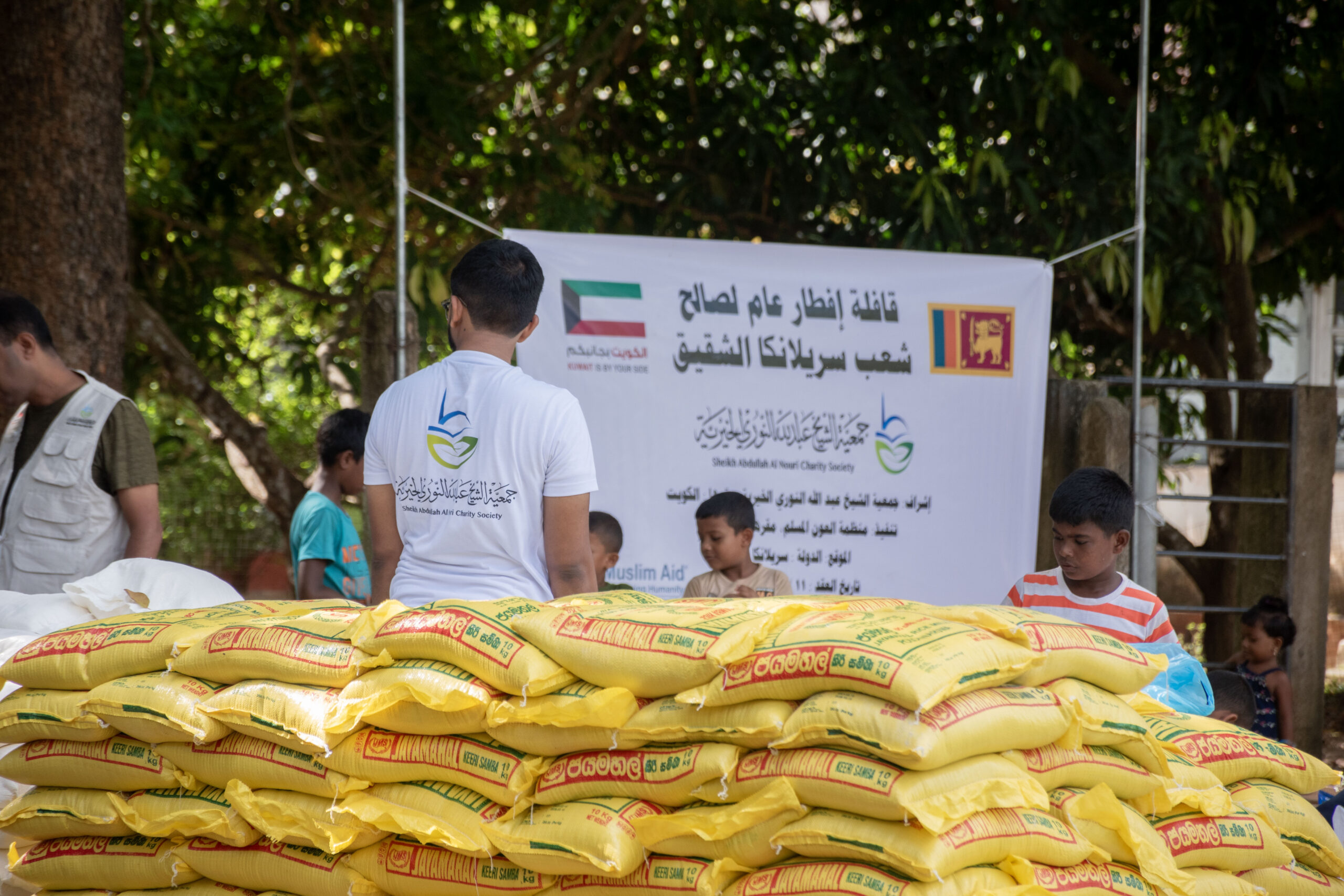
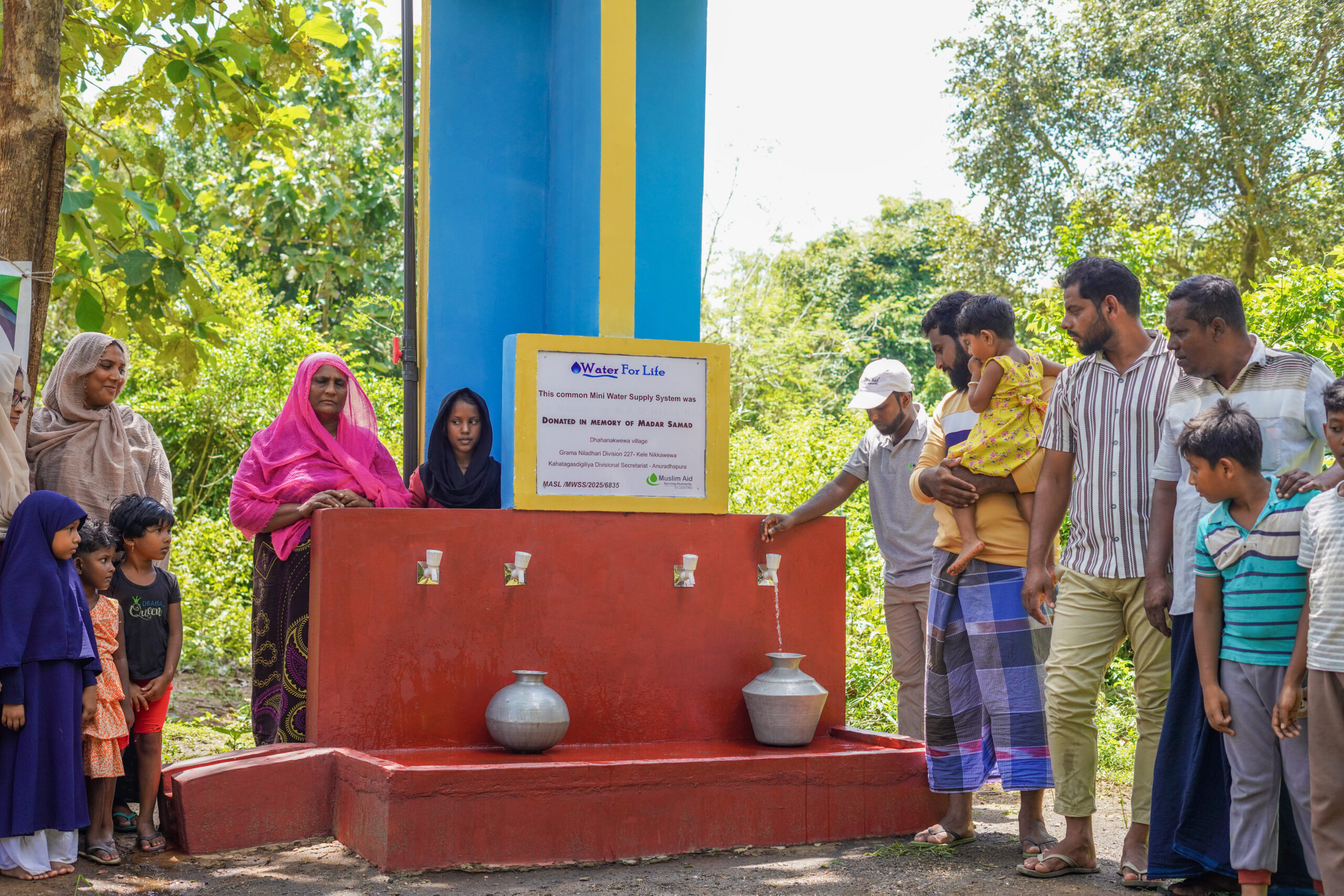
Assistance provided in emergencies includes dry rations, Non-Food Items, purified water, primary healthcare support, and cleaning water wells.
Emergency Relief
Emergency Relief is one of the significant and consistent thematic areas of Muslim Aid, reinforcing its role in Humanitarian Response. Since its inception, Muslim Aid has been quick to respond to both major natural and man-made disasters across the country. Beyond immediate aid, the organization is concurrently engaged in Disaster Risk Reduction (DRR), focusing on both capacity building within communities and preparedness for future crises. Their trained workforce is equipped to provide immediate on-the-ground relief during and immediately after an emergency, and to subsequently tackle the longer-term processes of recovery, rehabilitation of families, and rebuilding of damaged infrastructure. Assistance provided in these critical times covers a wide range of needs, including the distribution of essential supplies like dry rations and Non-Food Items (NFIs), the provision of purified water, and the supply of primary healthcare support, in addition to practical recovery tasks such as cleaning contaminated water wells.
Emergency Relief
Dual Focus on Response and Mitigation: The program simultaneously manages the immediate Humanitarian Response during a disaster and works proactively towards Disaster Risk Reduction (DRR), focusing on long-term sustainability.
Capacity Building and Preparedness: A key component of the DRR work is the focus on capacity building within local communities and enhancing overall preparedness to better withstand and recover from future shocks.
Comprehensive Rehabilitation: The response extends beyond initial survival aid to tackle the full cycle of recovery, which includes the rehabilitation of affected families and the crucial task of rebuilding damaged infrastructure.
Provision of Essential Non-Food Items (NFIs): Assistance for affected communities includes the provision of vital Non-Food Items (NFIs), which typically cover essential needs like shelter materials, blankets, clothing, and hygiene kits.
Water-Related Recovery Services: The workforce provides critical health and hygiene support by performing services such as the provision of purified water and the cleaning and sanitation of contaminated water wells to ensure safe water access post-disaster.
Do Have Any Question?